
Data Communications, AI and Machine Learning
High-Power, Reliable DFB Lasers for AI & Data Optical Interconnects
AI and hyperscale data centers require light sources that combine high power, spectral stability, and scalability. Sivers Photonics’ continuous-wave (CW) DFB lasers deliver the optical performance and cost-efficiency needed for next-generation AI, machine learning, and data communication architectures—enabling both scale-up and scale-out networks.
These chips are designed for system developers, module integrators, and OEMs designing optical interconnects, co-packaged optics (CPO), optical I/O, and high-speed data links for AI accelerators, data centers, and high-performance computing (HPC) clusters.
Why Sivers for Data Communications, AI and ML?
High-yield ridge-waveguide and dual-ridge architectures ensure consistent wavelength control and performance.
Ultra-low FIT rates (<1) provide the reliability required for hyperscale data centers
and AI/ML workloads.
Etched-facet, on-wafer coated design allows full optical testing before dicing — reducing cost and improving reliability.
Compact chip design enables easy integration into miniaturized optical modules.
On-wafer coating and testing eliminate bar processing, improving yield and scalability.

What Problems We Solve
Our 70 mW and 100 mW DFBs are perfectly suited to 800G and 1.6T pluggable transceivers, with wafer-level processing and testing that make them among the most cost-effective options available on the market. Our DFB laser arrays directly address the performance and integration challenges driving Co-Packaged Optics and Optical I/O development – while delivering high optical power and precise wavelength control, the array format simplifies assembly by minimizing alignment steps ultimately making packaging quicker and most cost effective.
Key Benefits
- Output powers up to 100 mW across O-band
- Proven ridge-waveguide architecture delivers high yield, low cost, and stable performance
- Etched-facet, on-wafer coating and testing eliminate bar processing reducing cost and improving yield
- Dual ridge approach increases chip yield
- Array format simplifies assembly and packaging, lowering total manufacturing cost
- 200/400 GHz channel spacing options
Product Portfolio
We focus on InP sources optimised for silicon photonics integration. We offer high power, InP-based DFB lasers and gain chips, as single emitters or arrays, on our InP100 Product Platform

FR4 CWDM DFB Chipset
A chipset of 4 x single mode, edge-emitting DFB laser diode chips, designed for CW use in CWDM4 applications with external modulation.
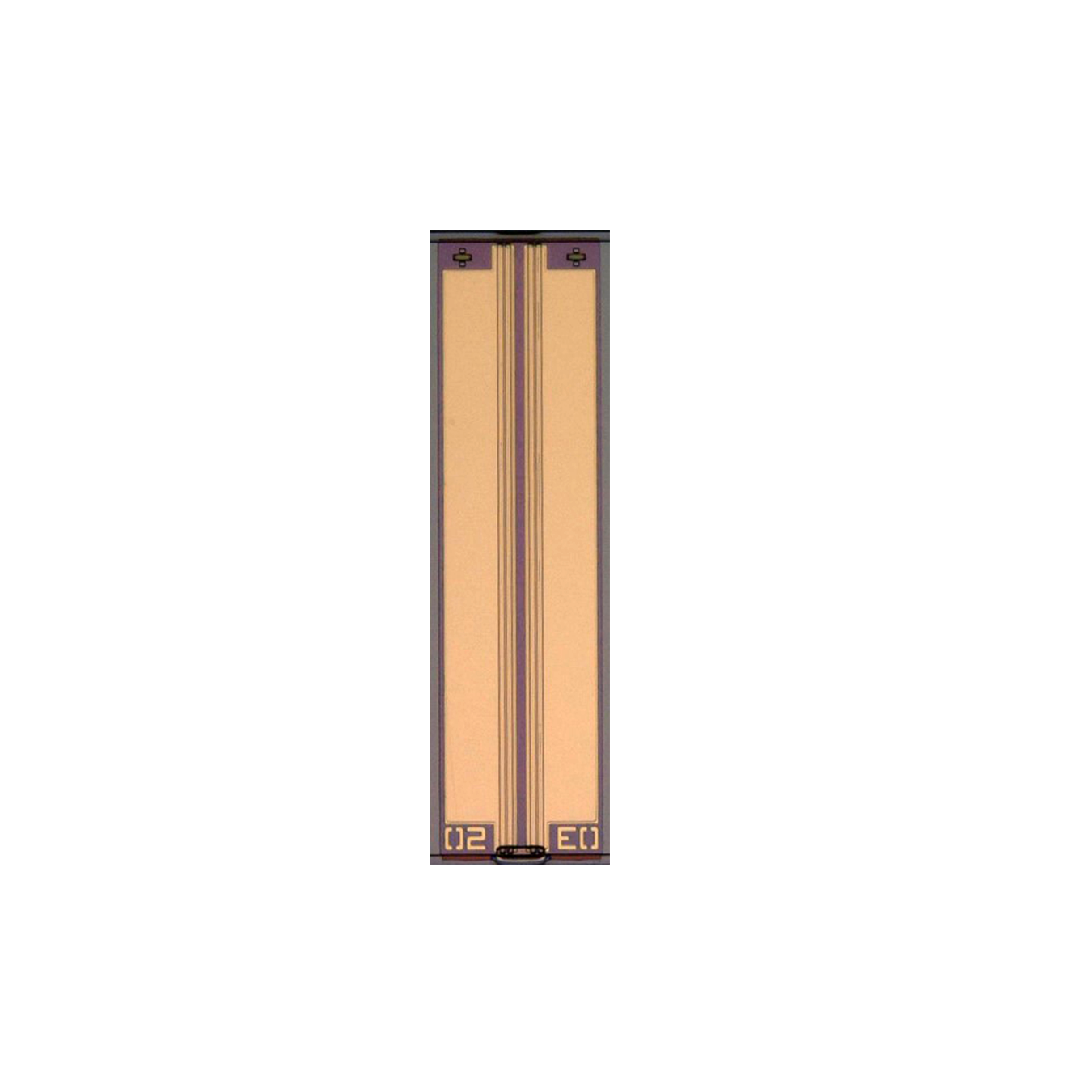
DR8 1310nm 70mW DFB Laser Diode
The 1310nm DFB laser diode operates at a wide temperature range and is designed for 800G and above transceivers
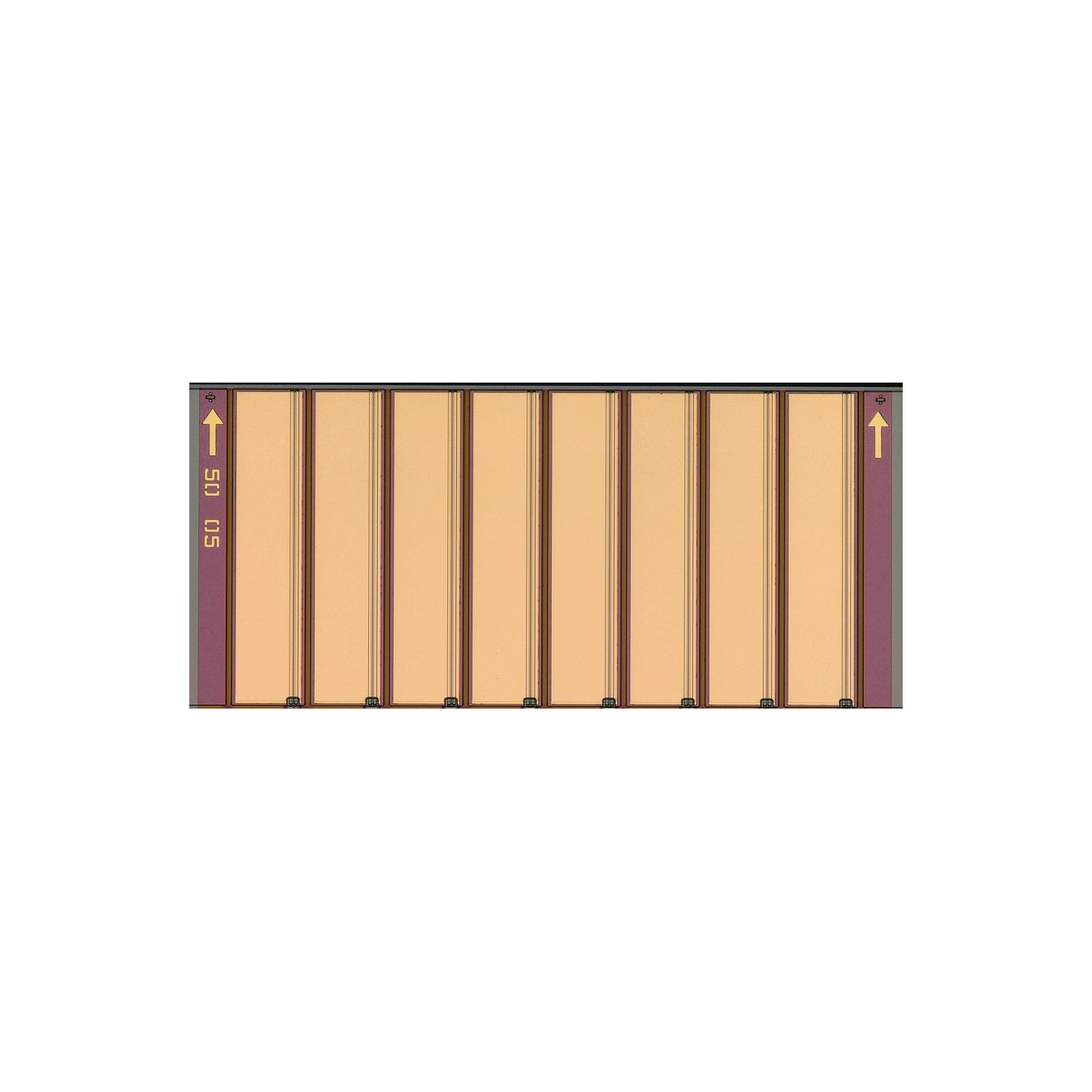
8λ O-band CW DFB Laser Chipset
8 channel edge-emitting DFB laser diode array designed for CW use in CW-WDM-MSA compliant applications.

InP100 Platform Advantage
- Wafer-level processing and testing for scalability and cost efficiency.
- Proven architecture with ultra-low FIT rates for long-term reliability.
- Flexible customization options for power, wavelength, and form factor.
- Non-hermetic compatibility lowers packaging complexity and cost.
FAQ
Laser diodes:
- AI Data Centre Pluggable Transceiver
- 400G/ 800G / 1.6T Ethernet
SiPh/TFLN Integration
Laser Arrays:
Co-Packaged Optics, High-Performance Computing, Optical I/O
AI Data Centre Optical Interconnects,
Yes see our product portfolio for a range of standard devices currently underqualification. We can provide you with data sheets, samples and lead times for each. Don’t see what you’re looking for? Please reach out, our team will be happy to discuss your requirements.
Absolutely. Our in-house design team can take you from initial concept through custom design, prototyping, qualification, and into high-volume manufacturing.
InP100 is our 4” Indium Phosphide processing platform – a library of qualified process modules that can be combined to build a wide range of devices. By using these proven building blocks, InP100 ensures that both established and new design concepts have the strongest chance of success from the start.
Not at this time. We provide each customer with a dedicated wafer run, giving you full flexibility to explore design options and optimize for your specific performance targets.
There’s no strict minimum. Our goal is to support you from prototyping through to high volumes. We understand every project is unique, so we’ll assess your request individually and build the right plan together.
We run a 24/7 fab and always aim to deliver as quickly as possible. Cycle time varies based on complexity and production load, but we’ll work closely with you to create a schedule that fits your needs.